


ESD, ESA and EMC Static Electricity Application Solutions for the Electronics Industry
浏览数量: 73
作者: 本站编辑
来源: 本站
 2026-03-19
Within electronics manufacturing and equipment operation, static electricity problems are tightly coupled with high speed automated production environments and precision mechanical structures. Seemingly trivial static buildup can produce chip breakdown, signal interference and particulate adsorption, causing component functional failure, data loss, reduced yield, higher repair and scrap costs and diminished production profitability.
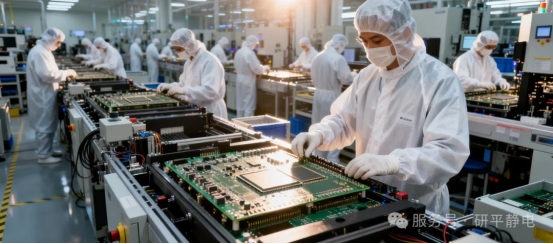
① ESD (Electro Static Discharge) Transient charge transfer occurs when objects at differing electric potentials come into contact or proximity. Thousands of volt static accumulated on personnel or hardware discharges upon touch, generating pulse surges with instantaneous current up to dozens of amperes.
· Catastrophic hard failures (immediate scrapping): High voltage pulses punch through nanometer scale gate oxide layers within chips (e.g., MOSFET gate oxides), creating perforations or melting metallic interconnects.
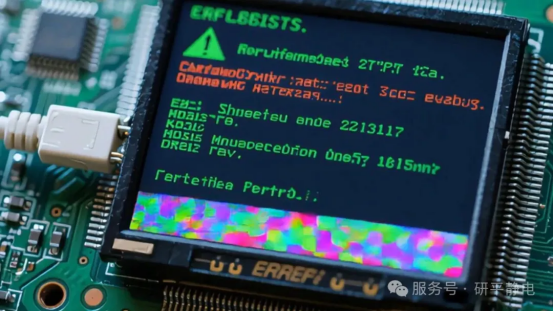
· Latent soft failures (“time bombs”): After partial electrostatic breakdown, electronic components sustain hidden internal damage with degraded insulation and elevated leakage current. Transistor parameters drift and operate near critical thresholds. Units may pass factory testing yet crash, reboot, lose data or suffer screen glitches under minor voltage fluctuations in end user applications. Such latent failures inflate after sales return rates and erode brand credibility.
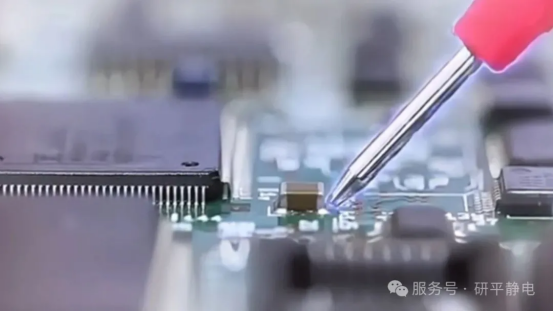
② ESA (Electro Static Attraction) Charged surfaces attract contaminants including dust, lint and metallic microparticles. In precision electronics manufacturing workflows, a single sub micron particle can render an entire chip unusable. Consequences encompass PCB surface dust deposition, fogged optical lenses, SMT placement offset and packaging short circuits. Mass rework and scrapping of semi finished goods due to micro particle contamination lead to hidden profit erosion.
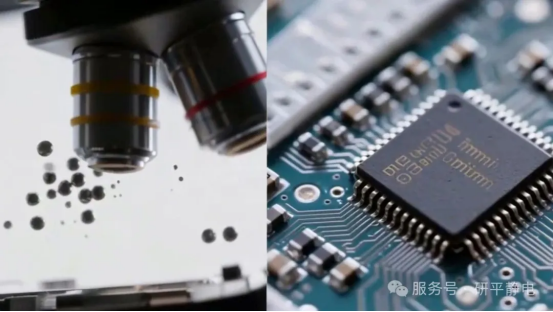
③ EMC (Electro Magnetic Compatibility / Electrostatic Interference) Vast energy released by ESD events radiates broadband electromagnetic noise, which couples capacitively or inductively into adjacent signal lines and gives rise to EMC related electrostatic interference. Even without direct chip breakdown, such electromagnetic perturbations corrupt circuit signals and trigger unexplained server reboots in data centers, communication module packet loss and unresponsive smart device touch panels.
One common question arises: why static related incidents persist even with anti static garments and anti static flooring deployed? Risk profiles evolve, while protective measures sometimes fail to keep pace.
Introduce proactive, high precision static neutralizing solutions at critical workstations (e.g., Yanping Electrostatics DC ion blowers and static eliminators). These systems neutralize charges prior to hazardous accumulation and block combined ESD + ESA + EMC electrostatic threats at source, enabling high quality, stable, low loss smart electronics manufacturing.
Contact: 📞 17348229155 Douyin ID: 50966573895


