


Static Electricity Application Solution for Functional Film Slitting Machines
浏览数量: 50
作者: 本站编辑
来源: 本站
 2026-06-15
Slitting represents a key precisionprocessing step for functional films. Static conditions heavily determine finishedproduct yield and plant safety. Under highspeed slitting, persistent frictionandseparation events between webs, slitting blades and guide rollers generate massive static charges across unwinding, cutting and winding zones, triggering cosmetic defects, process malfunctions and safety risks.
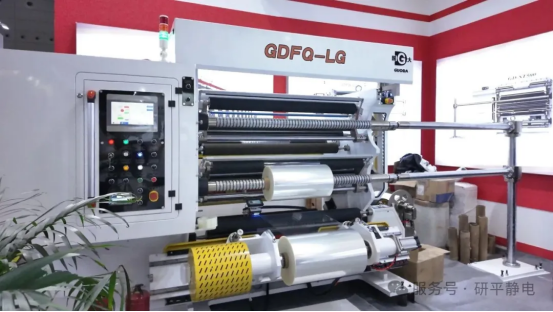
① Staticdriven dust adsorption Highvoltage static on web surfaces continuously draws workshop dust, lint and particulate impurities. Resulting specks and crystal spots on slit subrolls compromise visual quality and disrupt downstream lamination, coating and bonding workflows, pushing scrap rates higher.
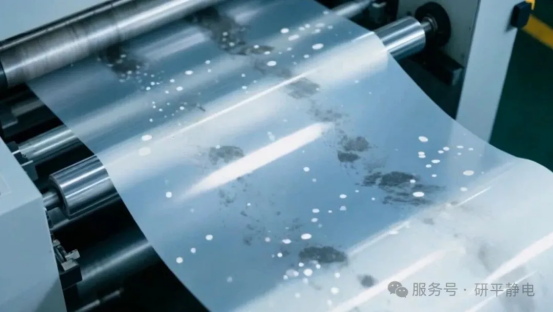
② Uneven winding end faces Electrostatic attractionrepulsion forces disturb webtension stability and cause ragged edges and poor cut finish during slitting. Electrostatic adhesion and misstacking between web layers at winding produce uneven roll endfaces that degrade precision for subsequent diecutting and rewinding operations.
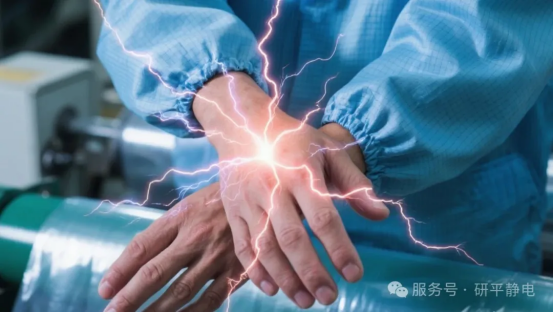
③ Staticelectric shocks to personnel Fullycharged parent rolls deliver painful static shocks to operators during rollchanging, handling and transportation, disrupting workflow cadence and rollchange efficiency and compromising workplace safety.
Staticelimination bars of the compact XK-700 series are recommended for critical stations between slitting exit and winding mandrels. They deliver realtime, highefficiency charge neutralization for each web path and stabilize static levels within safe limits (≤ 1kV). Dust adsorption onto web surfaces is fundamentally suppressed, preserving slitting accuracy and web cleanliness. Electrostatic interference with winding is also eliminated for neatlywound rolls with uniform tightness.
Contact: 📞 17348229155 Douyin ID: 50966573895


